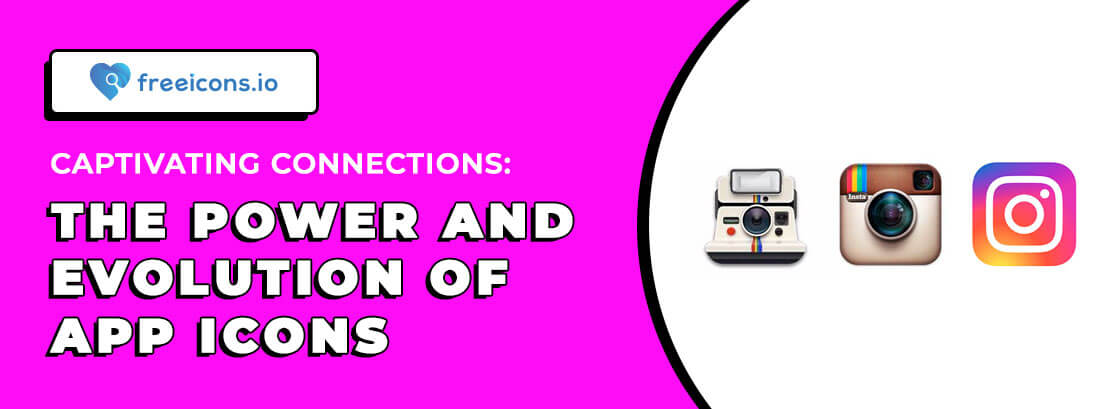
When you think of a mobile application, what immediately comes to mind? It's highly likely that the first thing you think of is the app icon. Whether it's the iconic white "f" of Facebook on a blue tile or the round Google Chrome icon with its vibrant multicolored flower-like geometric design, featuring a solid blue circle in the center, app icons have become powerful visual symbols that we instantly recognize. For instance, when the word "Twitter" is mentioned, the image of a white bird with a blue outline representing freedom and communication flashes in our minds. These iconic app symbols play a crucial role in helping us associate the app's utility with its image, creating a strong memory connection that solidifies the app's relevance to our daily activities and establishing a lasting brand recall.
App icons have become synonymous with the apps themselves, serving as visual representations that encapsulate their essence. These small graphical representations are the first point of contact for users, often residing on the home screen, app drawer, and other user interfaces of our mobile devices. They act as the gateway to accessing and interacting with the applications we use on a daily basis.
In fact, some app icons have become globally recognizable, ingrained in our collective consciousness. The white "f" of Facebook on a blue tile or the iconic bird silhouette representing Twitter are prime examples. These symbols have transcended mere visual representations and have become powerful identifiers of the respective platforms they represent. They have become part of our digital vocabulary, instantaneously invoking feelings of social connection, communication, and freedom.
The impact of app icons goes beyond mere recognition; they hold the key to establishing a strong connection between users and the apps they rely on. These icons act as memory triggers, effortlessly linking the utility of the app with its visual representation. Just a glimpse of an app icon can invoke a flood of associations, reminding us of its purpose and how it seamlessly integrates into our daily activities. This connection between the app icon and our memory creates a lasting impression, contributing to the app's brand recall.
Icons, in a broader context, have been used throughout human history as symbolic representations in various domains, including religious art, cultural symbols, and signage. Building upon this tradition, the use of icons in computing has revolutionized how we navigate and interact with digital systems. They provide visual cues that facilitate seamless user experiences, simplifying complex interactions and enhancing overall usability.
The evolution of app icons parallels the advancement of graphical user interfaces (GUIs) and personal computing. In the early days, app icons were often straightforward and utilitarian, consisting of a text label accompanied by a basic graphic representation of the app's function. However, as technology progressed, so did app icons. By the mid-1980s, they began to adopt more sophisticated and visually appealing designs.
A significant turning point in app icon history came with the introduction of the Macintosh in 1984. This pivotal moment not only showcased the power of GUIs but also marked the beginning of a new era in app icon design. As personal computers gained more processing power, app icons became increasingly intricate and detailed, thanks to advancements in graphics capabilities. These visually captivating icons played a vital role in capturing users' attention and sparking curiosity.
However, as with any trend, there came a time when complexity reached its peak, and a new direction emerged. In the early 2000s, there was a notable shift towards simplicity and minimalism in app icon design. Designers recognized the need to declutter the visual landscape and create icons that were instantly recognizable and easy to understand. This shift led to the emergence of sleek and minimalist designs that embraced negative space, simple lines, and elegant forms
Today, app icons continue to evolve, driven by technological advancements and innovative design practices. Designers are constantly pushing boundaries, exploring new styles and experimenting with three-dimensional and animated icons. While these new approaches bring a fresh dynamic to app icon design, the fundamental principles of effective design remain unchanged: simplicity, clarity, and visual appeal.
The importance of app icons in the realm of mobile applications cannot be overstated. They fulfill a multitude of functions, each contributing to the overall user experience:
In a sea of apps, icons serve as visual beacons that help users quickly locate and identify the app they seek. Even with just a few seconds of glance, a well-designed icon can assist users in finding their desired app amidst the clutter
App icons act as visual shorthand, effectively conveying the purpose and functionality of an app. Whether it's a chef's hat for a cooking app or a suitcase for a travel app, icons provide an instant understanding of what an app offers, even before users delve into its features.
App icons play a crucial role in establishing a consistent visual identity for an app across different platforms and devices. This visual coherence fosters recognition and helps users remember the app's purpose, even if they haven't interacted with it for some time.
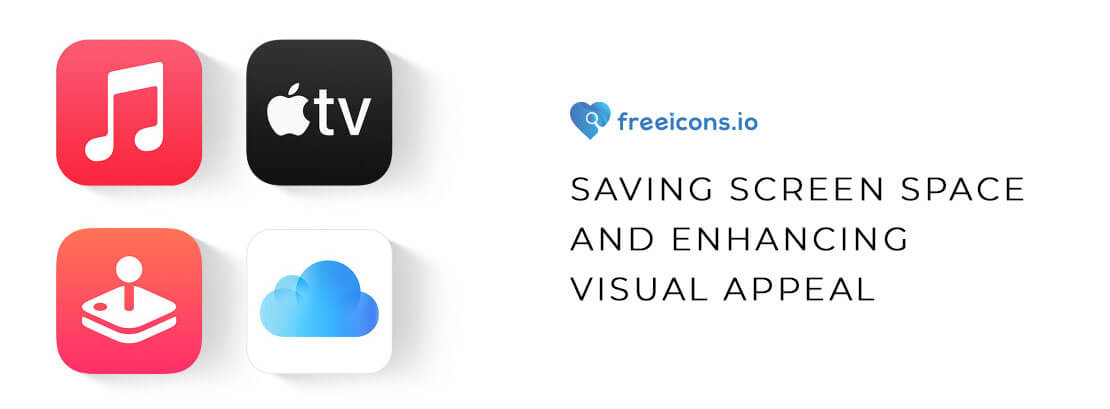
On mobile devices where screen real estate is limited, icons offer a space-saving solution, allowing for a more compact and efficient interface. They condense functionality into a visually appealing and easily accessible form.
Well-designed icons add a touch of style, personality, and aesthetic appeal to the overall app interface. They contribute to the visual experience, making the app more engaging and captivating for users.
Icons transcend language barriers, making them a valuable tool for apps that cater to a global audience. By relying on visual symbols instead of text, icons ensure that users from different linguistic backgrounds can easily comprehend app functionality
To excel in app icon design, it is essential to consider the target audience. What style will resonate with them? What information needs to be conveyed at a glance? By understanding these factors, designers can create app icons that truly stand out in a crowded app marketplace. Several trends have emerged in recent years:
Icons that utilize bold shapes and geometric patterns are gaining popularity. Their simplicity and clarity allow for quick comprehension and easy recognition. Bright colors and striking visuals make these icons visually appealing and attention-grabbing.
Minimalism has become a significant trend in app icon design. By utilizing negative space and clean lines, minimalist icons achieve a sense of elegance and simplicity. This approach removes visual clutter and ensures a focused and uncluttered user experience
Hand-drawn icons offer a more personal and friendly touch. These whimsical and playful designs bring a unique character to app icons, differentiating them from more standardized styles. Hand-drawn icons can evoke emotions and create a connection with users on a deeper level.
Animated icons inject interactivity and personality into app interfaces. They can showcase app functionality in action or simply add an element of fun and excitement. Animated icons create a dynamic user experience, capturing attention and increasing engagement.
In conclusion, app icons have become inseparable from our perception of mobile applications. They serve as powerful visual cues that evoke instant recognition and association. App icons communicate an app's utility, establish a visual identity, and contribute to a user-friendly, visually appealing, and memorable experience. Through their evolution, from simple and utilitarian to intricate and minimalist designs, app icons have played a significant role in enhancing the user experience and solidifying brand recall. By harnessing the potential of app icons and aligning them with the preferences of the target audience, designers can create icons that captivate, inform, and leave a lasting impression.